Efficiency
Ohmic loss
Ionic resistance is power paid for on every kilogram of hydrogen.
0.2Ω·cm²Nerva H2Sep 500 ionic resistance
Nerva H2Sep 500 lets every electrolyser stack make more hydrogen from the same cell voltage, in a stronger sheet that drops into today's 500 µm-class designs. Developed at IIT Bombay. Made in India for electrolyser makers worldwide.
Nerva H2Sep 500, measured against a commercial 500 µm-class separator in the same alkaline electrolyser cell.
The technology| Property | Nerva H2Sep 500 | Commercial reference | Advantage |
|---|---|---|---|
| Cell current at 2.4 V, room temperature | ~2.00 A | ~1.45 A | +38% |
| Cell current at 2.4 V, 80 °C | ~2.65 A | ~2.10 A | +26% |
| Tensile strength | ≈ 65 MPa | ≈ 24 MPa | ≈ 2.7× |
| Young's modulus | > 600 MPa | 310 MPa | ≈ 2× |
| Thickness | 430 ± 30 µm | 500 ± 50 µm | Thinner, same format |
| Bubble point | 2.5 ± 1 bar | 2 ± 1 bar | Comparable or better |
| Max. operating temperature | 100 °C | 110 °C | Reference higher |
| Made in | India | Imported | Domestic value addition in India |
Measured at IIT Bombay against a commercial 500 µm-class reference. Typical values, not a specification. Reference values measured on the same rig or taken from the reference manufacturer's published data.
Ionic resistance is power paid for on every kilogram of hydrogen.
Bubble point and pore structure keep H₂ and O₂ apart under pressure.
Strength decides behaviour in assembly, thermal cycling and pressure swings.
Premium separators are concentrated in very few suppliers: a lead-time, price and policy risk for stack makers everywhere.
A nanomaterial-modified zirconia–polymer composite separator and a drop-in for 500 µm-class stacks: no re-tooling of frames or gaskets.
For electrolyser makers, project developers and EPCs in India, Europe and the Middle East.
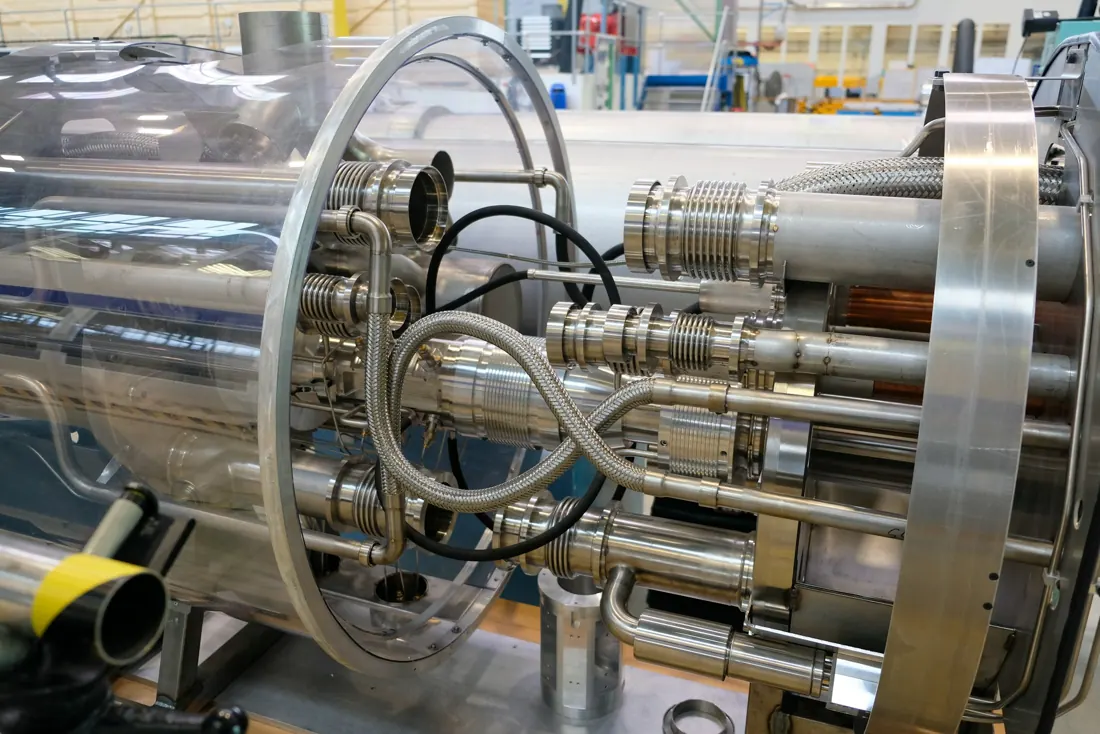
R&D, stack engineering, quality and procurement teams specifying a higher-performance separator.
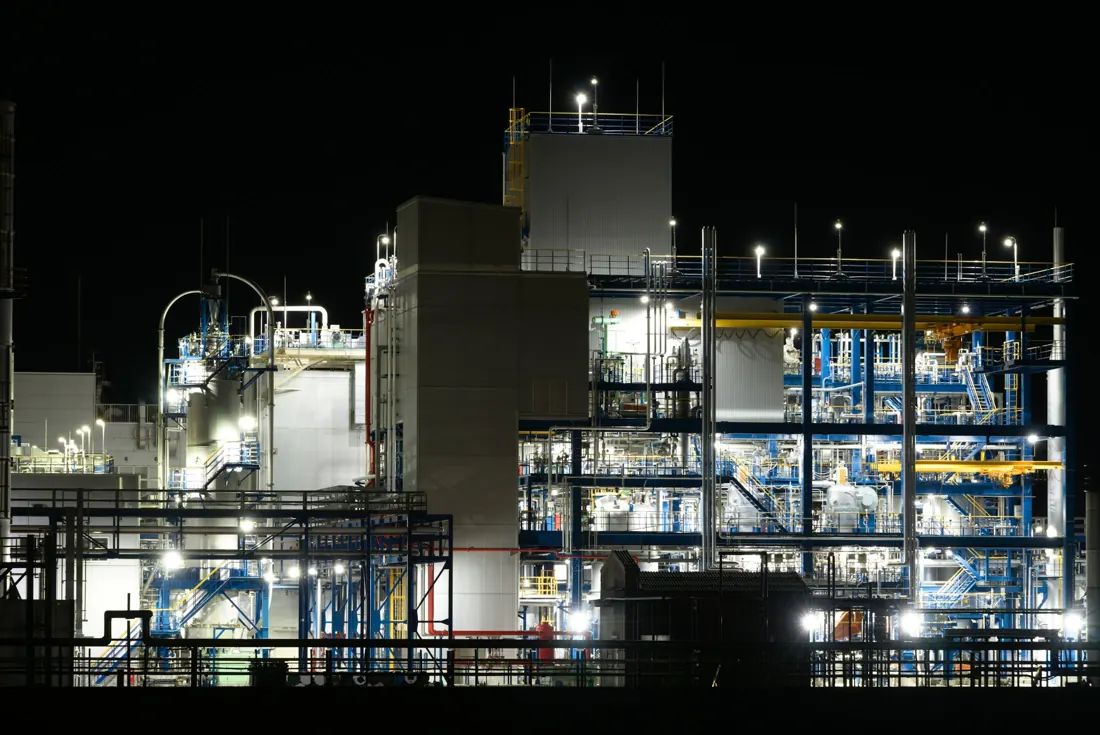
Hydrogen developers, EPCs and plant operators specifying the stacks in their projects.
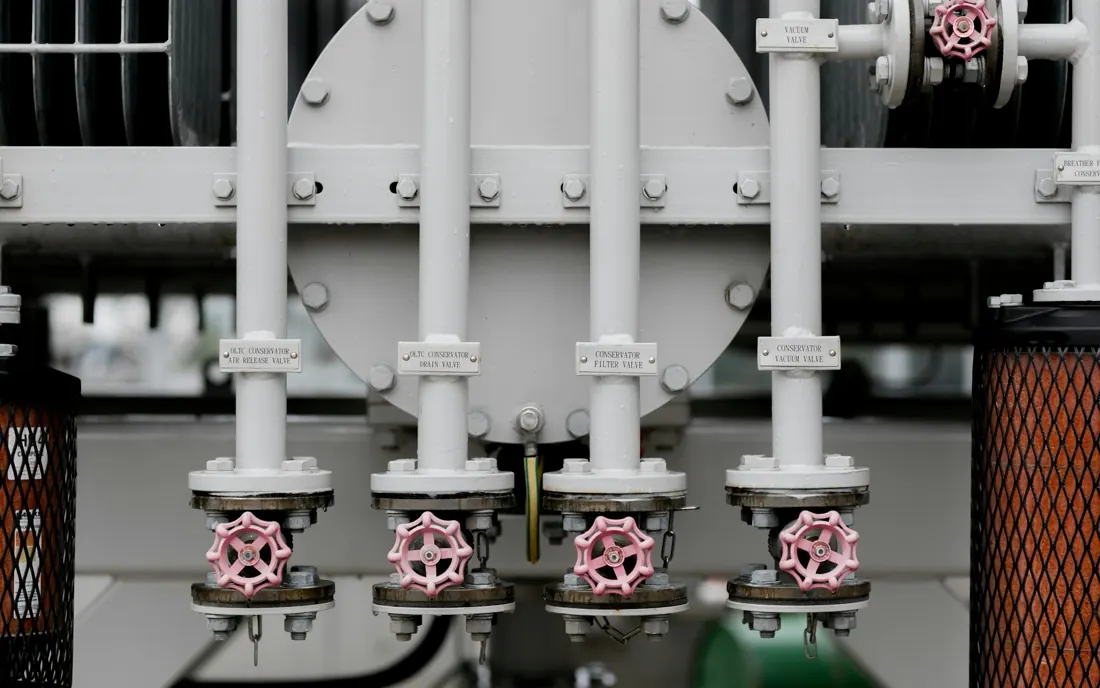
Stack makers in Europe and the Middle East who specify on performance: +38% current and ~2.7× the strength of a premium composite reference.
A structured programme that ends in a decision, with our engineers alongside yours at every step.
Data and test conditions under NDA, and a qualification protocol for your stack.
A4 sheets, or your sizes on request, with a certificate of analysis.
Cell and short-stack tests on your bench at your operating conditions.
Pilot supply, design-in and a supply agreement with on-site support.
The electrolysers behind India's green hydrogen mission are being bought now, and their core components are still imported.
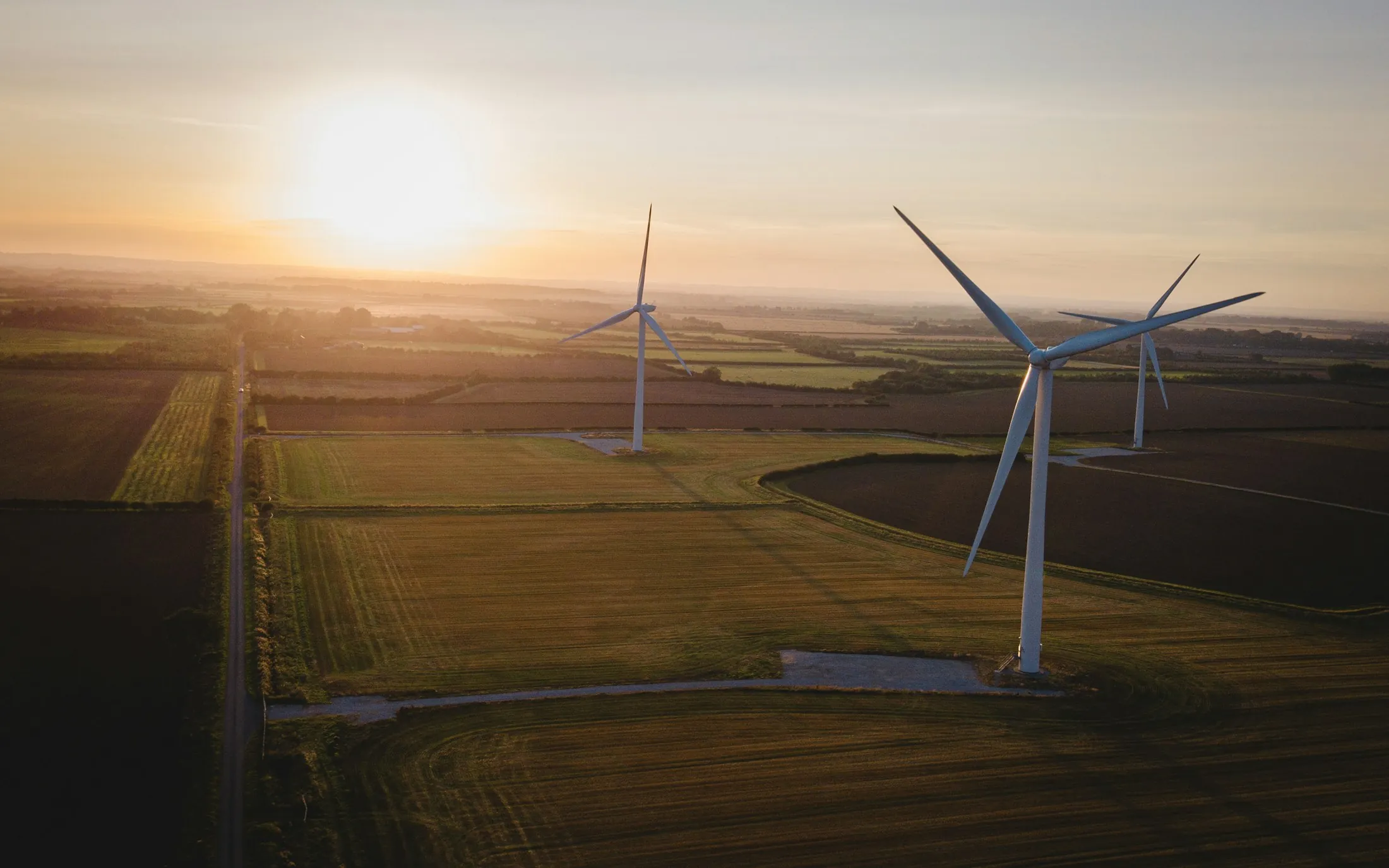
India's green hydrogen goal needs a domestic electrolyser industry at scale, and every electrolyser needs a separator, electrodes and a stack built around them.
Why India, why nowSources: MNRE; Business Standard / MNRE (24 Sep 2026); IEA Global Hydrogen Review 2025; Dalberg / Bharat Climate Forum (Mar 2026).
Each product builds on the same membrane science and is released only when it has been proven with customers.
Nerva H2Sep 500 now; a thinner Nerva H2Sep 300 and a high-temperature grade next
Available nowActivated nickel electrodes matched to our separator
In developmentSeparator and electrodes, ready to stack
In developmentAnion-exchange membranes on the same science
In developmentPrecious-metal-free AEM electrolyser stacks
In development
Our separator was developed at IIT Bombay and is brought to industry by Greenprastha, incubated at SINE, IIT Bombay's technology business incubator.

Leads science and technology: separator R&D, the product roadmap and technical validation with customers.
Professor at IIT Bombay and Professor-in-Charge of its Gogri Hub for Membranes Research. The inventor of the membrane technology Greenprastha is built on.

Leads strategy, customer partnerships and market development in India and abroad.
Two decades leading brands at Raymond (Park Avenue), Tata Motors, Mahindra and General Motors; CMO Asia 100 Most Influential Marketing Leaders.

Leads product and manufacturing: process development, scale-up, testing and quality.
Co-inventor on a 2024 patent application for single-step graphene-based membrane-electrode assemblies.
A4 samples ship in about two weeks, with a certificate of analysis and a qualification protocol for your stack.