
More current through the cell. A far stronger sheet.
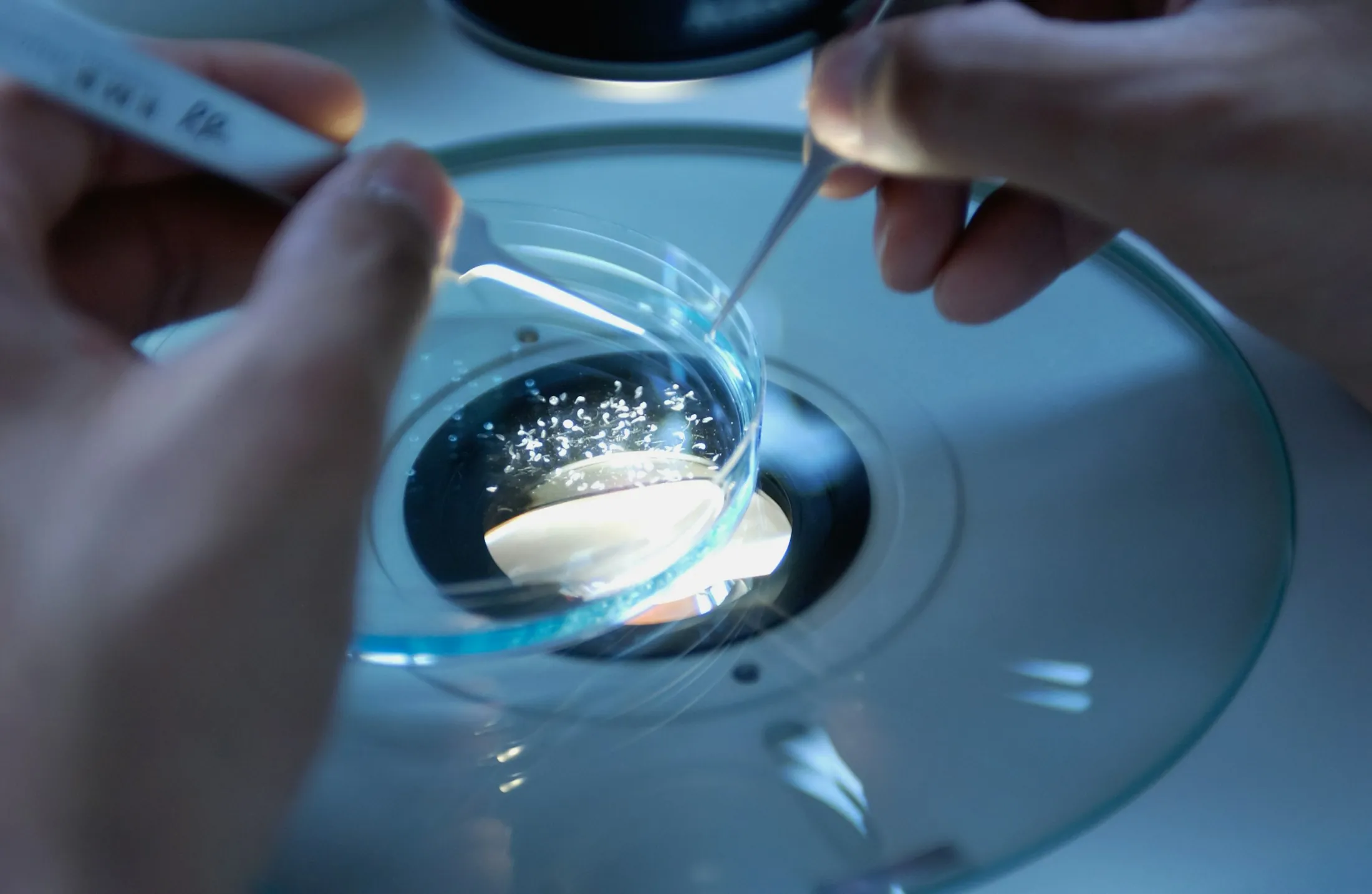
A nanomaterial-modified zirconia–polymer composite, engineered for the hot, alkaline, high-current world inside an electrolyser. It is the core of everything we make.

Low resistance and high strength in the same sheet
In separator design these two properties usually trade off: thinner and more porous means weaker. Our nanomaterial-modified composite structure delivers both, on a scalable, indigenous manufacturing route.
Nanomaterial-modified composite
Proprietary formulations developed at IIT Bombay and brought to industry by Greenprastha.
Zirconia–polymer composite
A porous composite with a controlled pore structure for effective gas–liquid separation.
Ion-exchange platform
The same chemistry extends to anion-exchange membranes for precious-metal-free AEM electrolysis.
Scalable casting route
An indigenous manufacturing route, designed from the start for volume production in India.
More current at the same voltage, at room temperature and at 80 °C
Measured in the same alkaline electrolyser cell against a commercial 500 µm-class reference separator. At a fixed cell voltage our separator passes substantially more current. Put the other way, it reaches the same current at a lower voltage and lower specific energy.
Current vs potential, room temperature
Current vs potential, 80 °C
Tensile stress–strain
Curves are redrawn from cell-level data measured at IIT Bombay. Full test conditions are shared in the evaluation pack under NDA. Values are typical and do not constitute a specification.
Every property becomes a line in the business case
| What the membrane does | Why it matters |
|---|---|
| Higher current density | Fewer stacks per MW, which lowers electrolyser capex |
| Lower ionic resistance | Less electricity per kilogram of hydrogen, the largest lever on levelised cost |
| Mechanical strength | Easier handling and assembly; suited to high-pressure and large-area cells |
| Thinner, drop-in format | No re-tooling of frames or gaskets; a faster route to qualification |
| Made in India | Rupee pricing, shorter lead times, and local value addition under SIGHT |

Numbers from your bench, not just ours. Long-duration degradation and crossover at your operating conditions are measured jointly, on the same protocol, against the same reference.
The evidence customers see
Short-stack trials
1,000–2,000-hour trials on customer test benches, in parallel with long-duration tests in our facilities.
Third-party validation
Performance and durability testing by an accredited certification body.
Production consistency
Batch-to-batch specification within ±5%, with a certificate of analysis for every roll.
AEM membranes
Anion-exchange membranes on the same chemistry, validated at cell and stack level.
Deep science, engineered for industry
Material science
Proprietary nanomaterial formulations and process know-how.
Rigorous testing
Cell, short-stack, mechanical and gas-chromatography testing against commercial references.
Scale-up engineering
Casting recipes, yield and QC engineered for production, not just the bench.
Customer feedback
Results from every customer trial feed back into the next batch and the next grade.
Engineers beside yours
Application engineers join every technical call and stay with your team through qualification.
Traceable quality
A certificate of analysis and full traceability for every roll shipped.
Long-duration data comes from your bench
Our published values are typical values measured at IIT Bombay on the same rig as a commercial reference. Long-duration durability and quantitative gas crossover depend on each stack's operating conditions, so we generate them with you, on your own bench, followed by independent third-party testing.
- Durability over long-duration operation at your current density
- Gas crossover measured quantitatively across your load range
- Fit and assembly in your cell frames and gaskets
- An independent report from a third-party laboratory
See the full datasheet and test conditions
Polarisation data, gas chromatograms, mechanical data and a proposed qualification protocol, shared under NDA.